
Coffee Education
Discover Better Coffee, One Cup at a Time
A short, practical guide from the two of us who roast it: what makes coffee good, how to taste the difference between one cup and the next, and how to brew a better cup at home.
1 · The basics
Understanding Coffee
Specialty coffee is coffee that’s grown with care, graded for quality, and roasted to bring out what that particular coffee does well. Where it’s grown matters: the country, region, altitude and soil all shape the flavor, which is why a Colombian coffee tastes different from a Mexican one before anyone has roasted it.
Freshness and small batches
Roasted coffee is at its best in the weeks after roasting, then slowly fades as its aroma escapes. Grinding right before you brew keeps more of it. Roasting in small batches means we can watch each roast closely, adjust as we go, and send coffee out soon after it’s roasted rather than letting it sit on a shelf.
Roast level is flavor, not strength
A darker roast isn’t a stronger coffee. Strength is how much coffee you use for the water, which you control when you brew. Roast level changes the flavor. It also doesn’t decide caffeine: light and dark roasts contain about the same when measured by weight, and how much you brew matters far more.
Light roast
Roasted for a shorter time, so more of the bean’s origin shows through: brighter, often fruity or floral, with more acidity (a pleasant, juicy tartness, like in an apple).
Medium roast
A balance of origin and roast. Expect more sweetness and body, with flavors like caramel, nuts and chocolate alongside some brightness.
Dark roast
Roasted longer, so roast flavors lead: bittersweet chocolate, toasted sugar, sometimes smoke. Lower in acidity and heavier-feeling in the mouth.
2 · Tasting
How to Taste Coffee
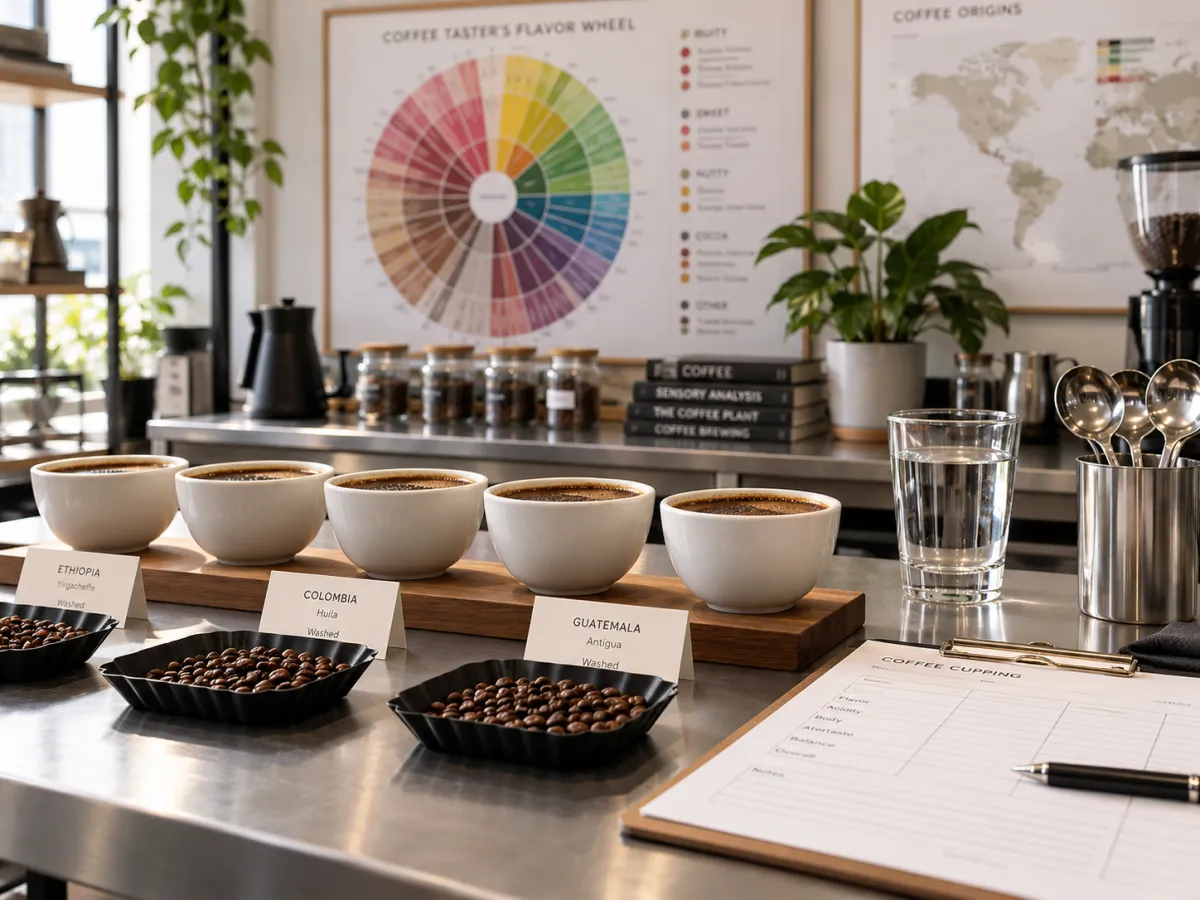
Tasting is just paying attention. You don’t need a trained palate, only a few minutes and a habit of comparing. Professionals do it with a method called cupping, and you can borrow the idea at home.
Aroma
Smell before you sip. Fresh grounds and the brewed cup give off different things: nuts, fruit, flowers, spice, chocolate.
Acidity
The bright, lively quality that makes a cup taste fresh, like citrus or berries. Good acidity is not sourness.
Sweetness
Sugar-like sweetness, from honey to caramel. Well-roasted, well-brewed coffee has more of it.
Body
How the coffee feels: thin and tea-like, silky, or heavy and syrupy.
Finish
What’s left after you swallow. Does it fade quickly and cleanly, or linger? Is it pleasant?
What is coffee cupping?
Cupping is a standard way for roasters and buyers to compare coffees fairly. Freshly ground coffee goes into identical cups, hot water is poured over it, and everyone smells the aroma, waits for it to steep, breaks the crust that forms on top, and then tastes from a spoon, slurping loudly so the coffee spreads across the whole palate. Because every coffee is treated exactly the same, the differences you taste come from the coffee itself.
Try it at home
- Pick two different coffees, such as a lighter and a darker one.
- Brew them the same way, with the same ratio, grind and water, and let both cool a little.
- Smell each one, then taste them side by side, going back and forth.
- Ask simple questions: which is brighter, which is sweeter, which feels heavier, which do you want another sip of? Write down a few words. That’s a tasting note.
3 · Brewing
Brewing Better Coffee at Home
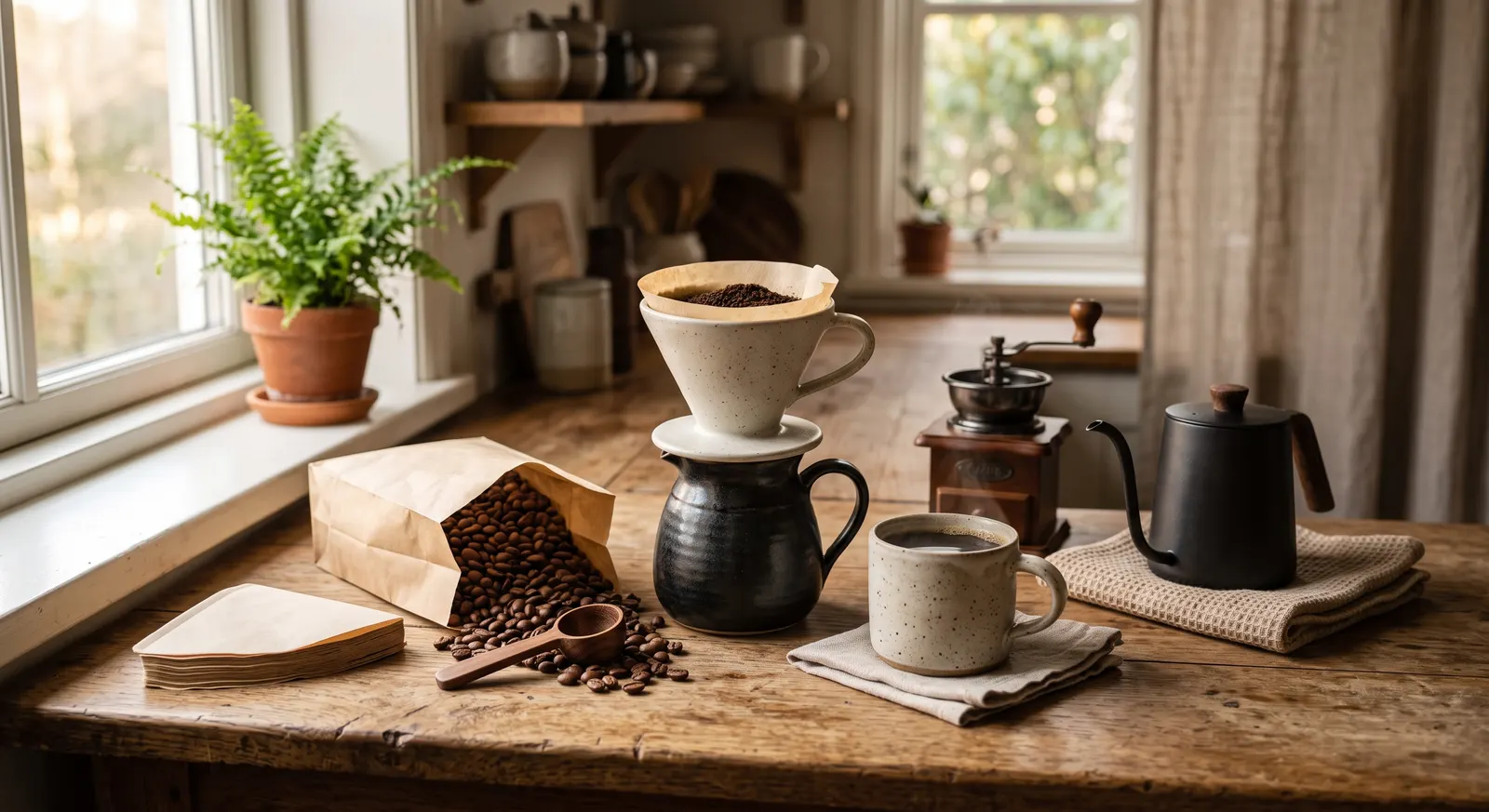
The V60 is a cone-shaped pour-over dripper. It’s simple, cheap, and rewards a little attention with a clean, bright cup that shows off a coffee’s flavor. These are good starting numbers; adjust from there.
- Ratio
- About 1 g coffee to 16 g waterFor example 20 g of coffee and 320 g of water for one large mug. Use less water for a stronger cup.
- Grind
- Medium-fineLike table salt, slightly coarser. A burr grinder gives a far more even grind than blades.
- Water
- 195–205 °F (90–96 °C)Just off the boil. Let the kettle sit for 30 seconds after it boils.
- Time
- About 2½ to 3½ minutesTotal, from the first pour until the dripper has drained.
The method
- Rinse the paper filter with hot water, then discard the water. This removes paper taste and warms the dripper.
- Add the ground coffee, level the bed, and set everything on a scale. Zero it.
- Bloom: pour about twice the weight of the coffee in water (40 g for 20 g of coffee), wetting all the grounds. Wait 30–45 seconds while it bubbles and releases gas.
- Pour slowly in gentle circles, keeping the water level steady, until you reach your full water weight. Avoid pouring directly on the filter wall.
- Let it drain. Swirl the server, and taste it while it’s still hot.
Adjusting: if the cup tastes sour or thin, grind a little finer. If it tastes bitter or dry, grind a little coarser. Change one thing at a time.
4 · Experiences
Private Coffee Tastings & Experiences
Discover coffee beyond your everyday cup. Join Big Guy Small Batch Coffee Roasters for a guided tasting experience exploring the aromas, flavors, and unique characteristics of freshly roasted coffee. Learn about coffee cupping, sensory evaluation, and pour-over brewing in a relaxed, interactive setting.
Inquire About a Coffee ExperienceWhat to expect
- Private, small-group experiences for up to six guests
- Designed for coffee lovers, friends, couples, and private gatherings
- Guided exploration of coffee aromas, flavors, and brewing
- In Northern Virginia, with location and arrangements discussed individually
This is a new experience and we’re currently taking inquiries to see what people would enjoy. There are no set dates to book yet. Tell us about your group and we’ll talk it through with you.
5 · Our coffees
Continue Your Coffee Journey
Everything above gets easier with fresh coffee to practice on. We roast three, in small batches. Bags start at $11.
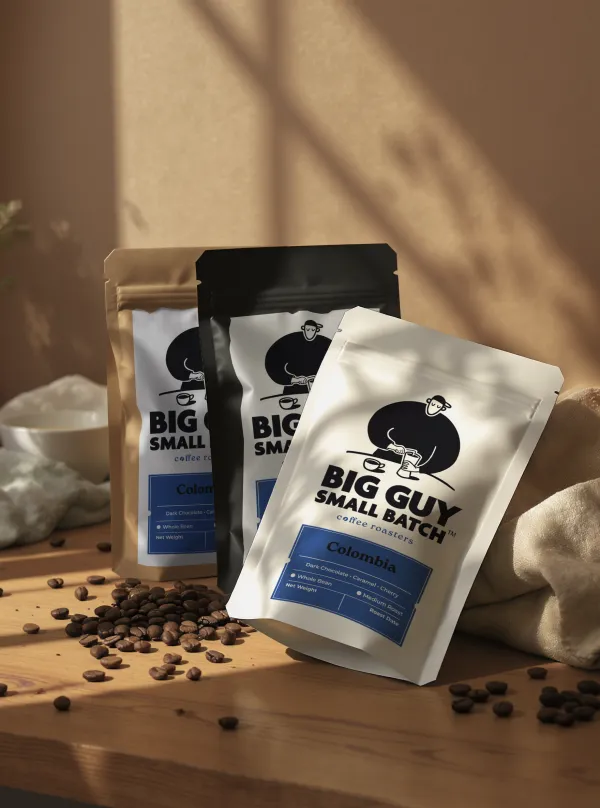
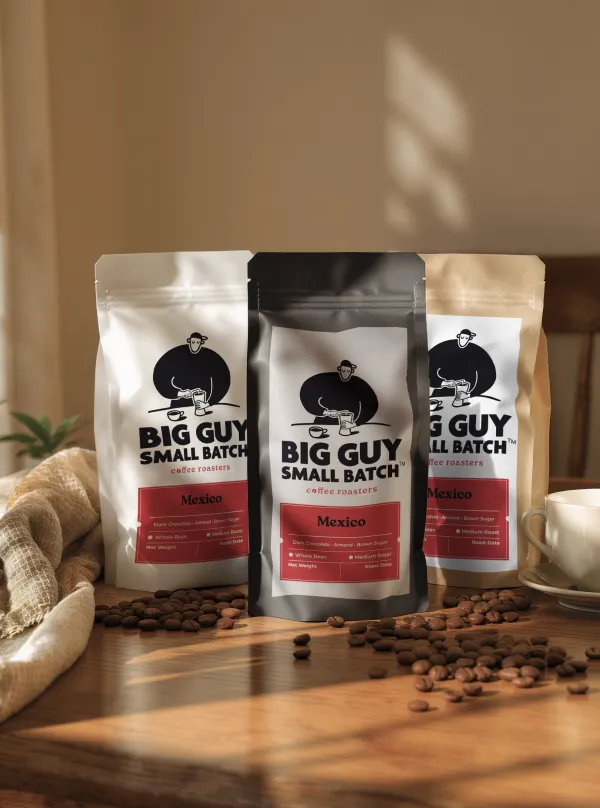
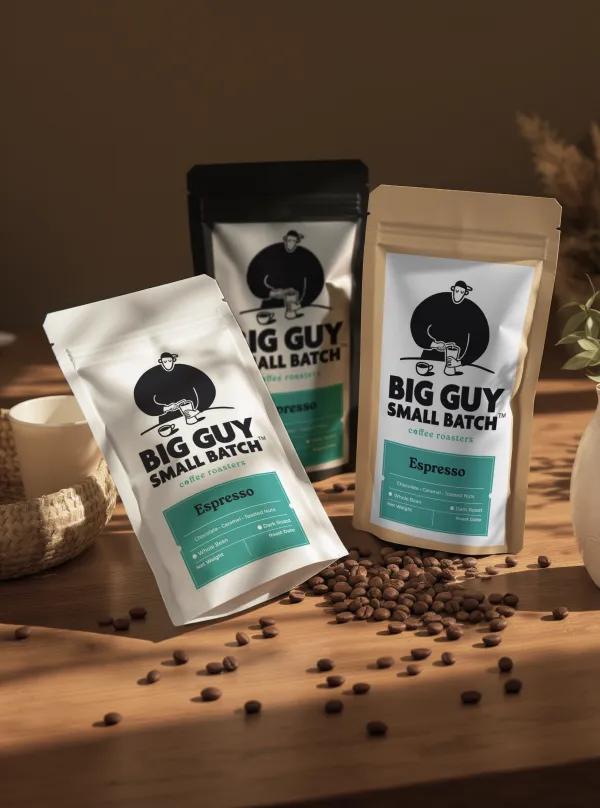
The Sample Pack has three 60 g coffees, Colombia, Mexico and Espresso, to taste side by side for $12.
Coffee experiences
Inquire about a coffee experience
Tell us roughly how many people, and anything you’d like the tasting to cover. There’s nothing to book or pay now: one of us will write back to talk through what could work for your group.